




 POST
 SHARE
 LINE
音の始源を求めて 3 佐藤 茂の仕事<放送センター移転と万博の頃>【2025改訂版】 “ From Broadcast Shifts to Expo ‘70 Sounds ” [2025 Revised Edition]
¥2,750


 なら 手数料無料で 月々¥830から
1.高橋悠治《フォノジェーヌ》 Phonogène(1962) 試聴:https://x.gd/s501m
1962年、NHK電子音楽スタジオで制作された、電子音と12人の奏者による作品。
磁気テープの速度を変え、音高や時間そのものを変形させる「フォノジェーヌ」の発想と、確率論による作曲思考が結びついた、高橋悠治初期電子音楽の重要作です。
まだコンピュータは使われていません。しかし、計算し、規則を定め、音を組織するという発想は、のちのコンピュータ作曲へとつながっていきます。
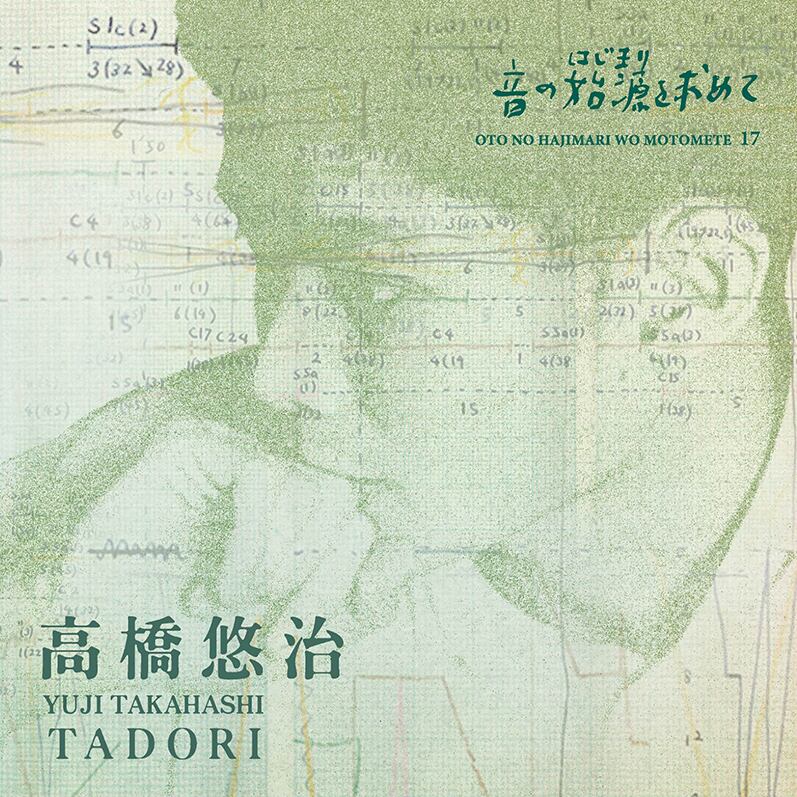
2.高橋悠治《辿り》 Tadori(1972) 試聴:https://x.gd/sX0rL
《辿り》は、もともとそれぞれ独立して作られた二つの作品――一方はテープ作品、もう一方は器楽作品――を組み合わせることで成立する作品です。
テープには、自然音や民族楽器、高橋自身のピアノ作品など、性格の異なる音素材が使われています。それらをコンピュータのアウトプットに現れる一定の法則に従って並べ、強さと長さを決め、磁気テープに定着していきました。コンピュータが音そのものを作るのではなく、「どの音を、どこに、どの長さで、どの強さで置くか」を導き出していた時代のコンピュータ作曲です。
一方、器楽部分は36の断片からなり、演奏者の選択によってその都度異なる姿をとります。さらに生演奏はテープ・ディレイとフィードバックを通して遅れて戻り、現在の音と重なっていきます。
コンピュータによって構成されたテープ、演奏者が選ぶ器楽、そしてその場で変化するライブ・エレクトロニクス。
あらかじめ定着された時間と、いま生まれる時間が出会う作品です。
Yuji Takahashi – Phonogène (1962) 試聴:https://x.gd/s501m
Composed at the NHK Electronic Music Studio in 1962, Phonogène is a work for electronic sounds and twelve instrumentalists.
Inspired by the Phonogène tape machine, Takahashi transformed recorded sounds through changes in tape speed. At the same time, his study of probability theory and set theory—encouraged by Iannis Xenakis—began to shape his compositional thinking.
No computer was yet used, but the idea of organizing sound through calculation and rules already pointed toward Takahashi’s later computer-assisted composition.
Electronic sounds created over sixty years ago meet the sounds of twelve musicians performing today. https://x.gd/s501m
Yuji Takahashi – Tadori (1972) https://x.gd/sX0rL
Tadori brings together two works originally created independently: one for tape and one for instruments.
The tape part uses natural sounds, ethnic instruments, and excerpts from Takahashi’s own music, arranged according to patterns derived from computer output. The computer did not create the sounds themselves, but determined their placement, duration, and intensity.
The instrumental part consists of 36 fragments shaped by performers’ choices, while tape delay and feedback transform the live performance in real time.
Computer calculation, performer choice, and live electronics meet in a work where fixed and unfolding time coexist.


