


 POST
POST SHARE
SHARE LINE
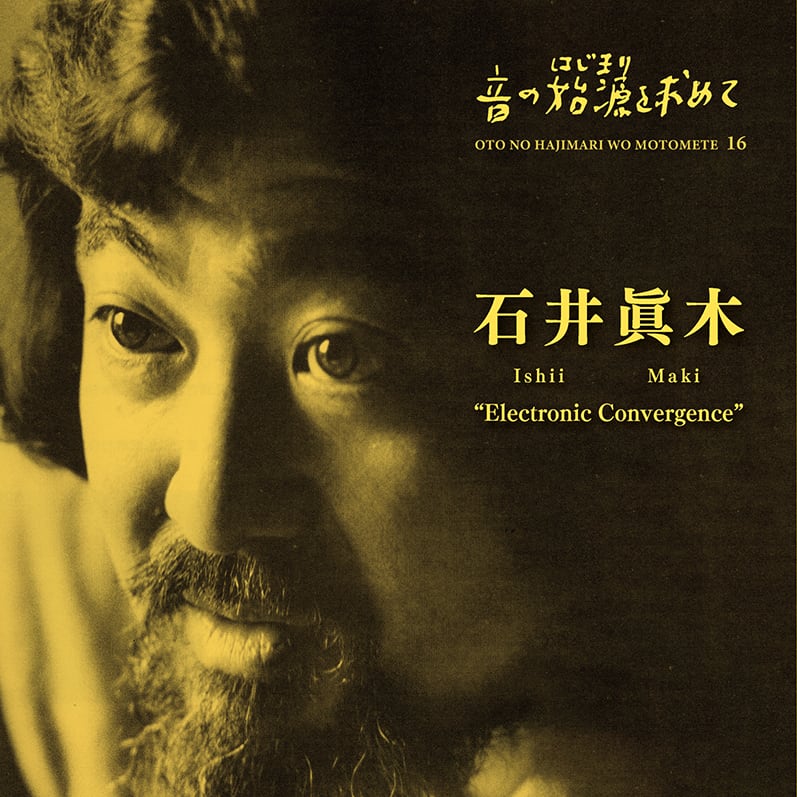
LINE音の始源を求めて 3 佐藤 茂の仕事<放送センター移転と万博の頃>【2025改訂版】 “ From Broadcast Shifts to Expo ‘70 Sounds ” [2025 Revised Edition]
¥2,750


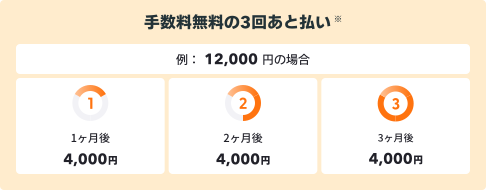
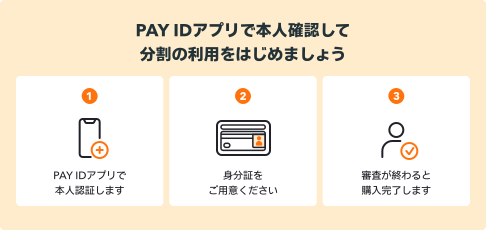
 なら 手数料無料で 月々¥1,330から
東洋と西洋が、電子音のなかで出会う。
1965年の《波紋》から1974年の《アニメ・アマーレ》まで。ヴァイオリン、マルチピアノ、声明、打楽器、ハープ、尺八と電子音が、対立せず、互いを変えながら一つの音響へ近づいていく。日本の電子音楽が国際的な視野を広げた時代に、石井眞木が追い続けた「東西の出会い」を7作品でたどる作品集です。
税込(国内送料無料)
<収録曲・試聴>
1. 《波紋》(1965)
▶ https://soundcloud.com/oto-no-hajimari/maki-ishii-bo-wen-hmmon-1
ヴァイオリン、室内アンサンブル、テープ音響。三つの響きは主従をつくらず、音色と残響を受け渡しながら、聴く人の時間感覚を静かに変えていきます。器楽と電子音が同じ地平で出会う、石井眞木初期の鮮烈な出発点。
2. 《饗応》(1968)
▶ https://soundcloud.com/oto-no-hajimari/maki-ishii-xiang-ying-kyohoh-2
内部奏法を含むマルチピアノの音を電子的に変調し、時間と空間のなかへ再配置。オーケストラと電子音が互いに応答し、演奏の呼吸そのものが大きな音響へ広がります。
3. 《螺旋 I》(1969)
▶ https://soundcloud.com/oto-no-hajimari/maki-ishii-luo-xuan-1-la-sen-1-3
声明、伝統打楽器、電子音。古い/新しい、東洋/西洋という境界を越え、反復する音が少しずつ姿を変えながら螺旋状に進んでいく。石井眞木の「東西の出会い」が鮮明に現れた一曲。
4. 《旋転》(1971)
▶ https://soundcloud.com/oto-no-hajimari/maki-ishii-xuan-zhuan-senten-4
打楽器独奏と電子音が向き合い、追いかけ、音響全体を回転運動へ。電子音は伴奏ではなく、演奏者と並ぶもう一人の奏者として時間を動かします。
5. 《旋転》電子音パート(1971)
▶ https://soundcloud.com/oto-no-hajimari/maki-ishii-xuan-zhuan-senten-electronic-part-5
《旋転》から電子音響だけを取り出すと、隠れていた構造が見えてくる。旋回する音、変形する時間、打楽器との間に仕掛けられた応答を、独立した電子音楽として聴ける貴重な音源。
6. 《アニメ・アマーレ》(1974)
▶ https://soundcloud.com/oto-no-hajimari/maki-ishii-animeamare-anime-amare-6
ハープの響きが電子的に引き延ばされ、空間へ溶けていく。どこまでが演奏で、どこからが電子音なのか。その境界が消える瞬間に、石井眞木の成熟した音響世界が現れます。
7. 《遭遇 III(玄―墨の造化―)》(1973)
▶ https://soundcloud.com/oto-no-hajimari/maki-ishii-zao-yu-iii-encounter-iii-7
尺八を中心に、雅楽を思わせる響きと異質な音が出会い、反応し、変質する。「融合」ではなく、出会いの緊張そのものを音楽にした、石井眞木の東西対話の核心。
<English track notes>
1. HAMON (1965)
Violin, chamber ensemble and tape sound meet as equal materials, reshaping the listener’s sense of time through timbre and resonance.
2. KYOHOH (1968)
Electronically transformed multi-piano sounds are redistributed in time and space, entering into dialogue with the orchestra.
3. LA-SEN I (1969)
Buddhist chant, traditional percussion and electronic sound cross the boundaries between East and West, old and new.
4. SENTEN (1971)
Solo percussion and electronic sound respond to one another, turning the entire sound field into a rotating movement.
5. SENTEN — ELECTRONIC PART (1971)
The electronic layer of Senten, heard independently as a structure of rotation, response and transformed time.
6. ANIMÉ AMARE (1974)
Harp and electronic sound dissolve into a shared acoustic space until their boundary disappears.
7. ENCOUNTER III (1973)
Shakuhachi and contrasting sonorities meet, react and change, making the tension of encounter itself the music.
(Free shipping on orders of two or more sets.)


