

 POST
POST SHARE
SHARE LINE
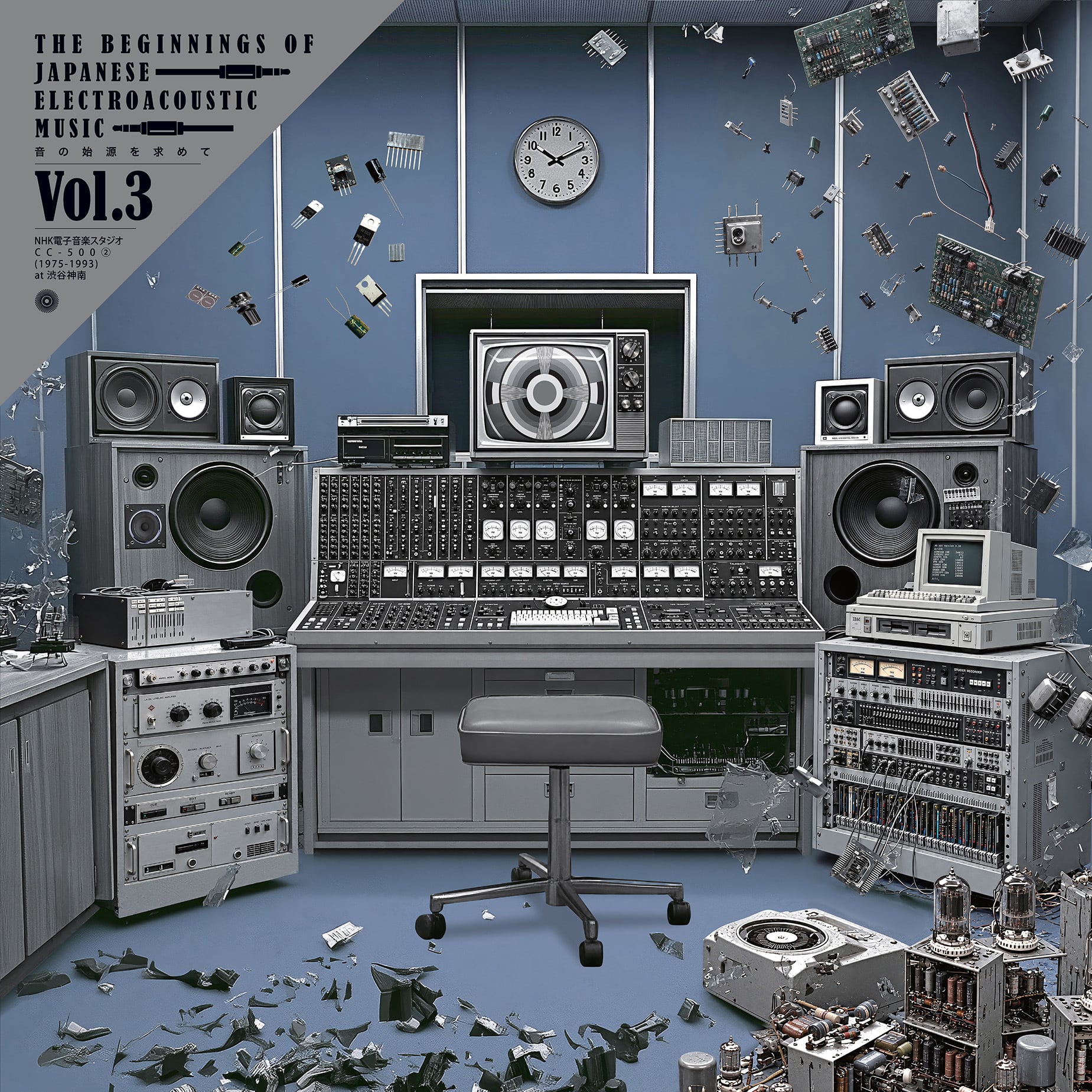
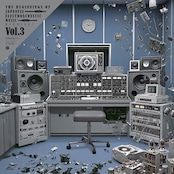
LINE音の始源を求めて 16 石井眞木 Electronic Convergence 2CD
¥4,000

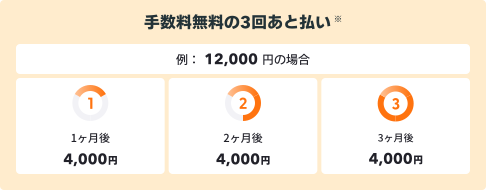
 なら 手数料無料で 月々¥2,330から
<DISC 1・SIDE A / B>
A.1 湯浅譲二《マイ・ブルー・スカイ》(1976)
正弦波にゲートを掛け、その周期、幅、周波数を変化させることで生まれる「ビート」が作品の中心。湯浅譲二自身が発振器やトリガを即興演奏のように操作し、パルスやクリック音と組み合わせながら、ステレオ空間に音を配置しました。電子回路そのものを演奏した作品です。
B.1 吉松隆《マーマレード回路》(1984)
シュトックハウゼン《少年の歌》へのオマージュとして生まれた「少女版」電子音楽。3人の少女の声、鈴、ピアノを録音し、変調、ピッチ変換、エコー、テープ・ループを重ねて加工。最後には8チャンネルの声によるケチャのようなリズムと、周期律表を読み上げる少女の声が現れます。
<DISC 2・SIDE C / D>
C.1 近藤譲《東京湾》(1987)
ピアノとオーケストラの作品《ノン・プロジェクション》を電子音楽としてリアライズ。正弦波による和音を数分かけて変化させるため、コンピュータで発振器を制御し、FM変調によるグリッサンドを制作しました。「磨かれた音ではなく、汚れていても力のある音」を求めた近藤譲の電子音響です。
C.2 平石博一《回転する時間(とき)― WAVE》(1993)
アナログ機器中心だったNHK電子音楽スタジオにMIDIシステムを導入し、AKAI S1000とシーケンサーによって制作された作品。発振器から作ったサイン波を加工して8種類の音をサンプリングし、広い音域へ展開。複雑な拍子と微細なテンポ変化が、機械的ではなく「時間の揺れ」として聴こえてきます。
D.1 J・C・エロア《楽の道 マテリアル》(1978)
ジャン=クロード・エロアがNHK電子音楽スタジオに約7ヶ月滞在して制作した大作《楽の道》。低周波発振器4台を組み合わせ、さらにFM変調を重ねた3重FMシステムを、作曲家とエンジニアが即興的に操作して膨大な電子音を制作しました。約6時間に及ぶマテリアルから、その一部、マテリアルの17分45秒を収録しています。
<English>
Five works from the later years of the NHK Electronic Music Studio
From 1976 to 1993, the technology of the NHK Electronic Music Studio underwent a major transformation: from oscillators, FM modulation and manual tape editing to computers, MIDI and digital sampling.
These five works document that transition. Sine-wave beats, tape collage, computer-controlled glissandi, AKAI S1000 sampling and complex multiple-FM systems reveal how composers and engineers used the studio itself as a musical instrument in their continuing search for new sounds.
A.1 JOJI YUASA — My Blue Sky (1976)
Sine waves are gated at slightly different periods to generate beats, pulses and clicks. Yuasa manipulated the oscillators and trigger circuits almost like an improvising performer, creating a precisely constructed stereo sound field.
B.1 TAKASHI YOSHIMATSU — Orange Marmalade Circuit (1984)
Conceived as a “girl version” of Stockhausen’s Gesang der Jünglinge. Voices of three young girls, bells and piano were transformed through modulation, pitch shifting, echo and tape loops, then assembled into an imaginary electronic “marmalade circuit.”
C.1 JO KONDO — Tokyo Bay (1987)
An electronic realization of Kondo’s orchestral work Non-Projection. Computer-controlled oscillators and FM modulation were used to create extremely slow harmonic glissandi, producing a deliberately raw and powerful electronic sound.
C.2 HIROKAZU HIRAISHI — WAVE TIME TURNING (1993)
Created during the transition from analog production to MIDI and digital sampling at NHK. Eight sine-wave-derived samples were mapped across wide pitch ranges in an AKAI S1000, while complex meters and subtle tempo changes create a constantly shifting sense of time.
D.1 JEAN-CLAUDE ELOY — GAKU-NO-MICHI MATERIALS (1978)
Created during Eloy’s extended work at the NHK Electronic Music Studio. A three-stage FM modulation system, including four low-frequency oscillators, was manipulated in real time by composer and engineers. This LP presents 17 minutes and 45 seconds selected from approximately six hours of sound materials.
<プロジェクトについて>
「音の始源を求めて」は、NHK電子音楽スタジオに残された日本の電子音楽作品を、当時の制作技術とエンジニアリングの記録とともに次世代へ伝えるアーカイブ・プロジェクトです。
作曲家のイマジネーションと、それを音として実現したエンジニアの技術。その両方があって初めて生まれた、日本の電子音楽の文化遺産をレコードとして残していきます。
About the Project
The Beginnings of Japanese Electroacoustic Music is an archival project dedicated to preserving the works created at the NHK Electronic Music Studio together with the production techniques and engineering that made them possible.
These recordings document not only the imagination of the composers, but also the essential contribution of the engineers who transformed those ideas into sound.